This was our second trip to Iceland, and we knew one thing from the start: seeing the aurora is never guaranteed. You need space weather, clear skies, and good timing all at once. Even with planning, it still feels like a lottery.
On our last night, My Aurora Forecast showed only moderate chances. Not zero, not great either. Around midnight we drove out to the Dyrhólaey lighthouse, hoping for a small window of luck.
For the first stretch, nothing happened. We stood in the wind, stared at the sky, and waited. Ten minutes became thirty, then more. Still no visible lights.
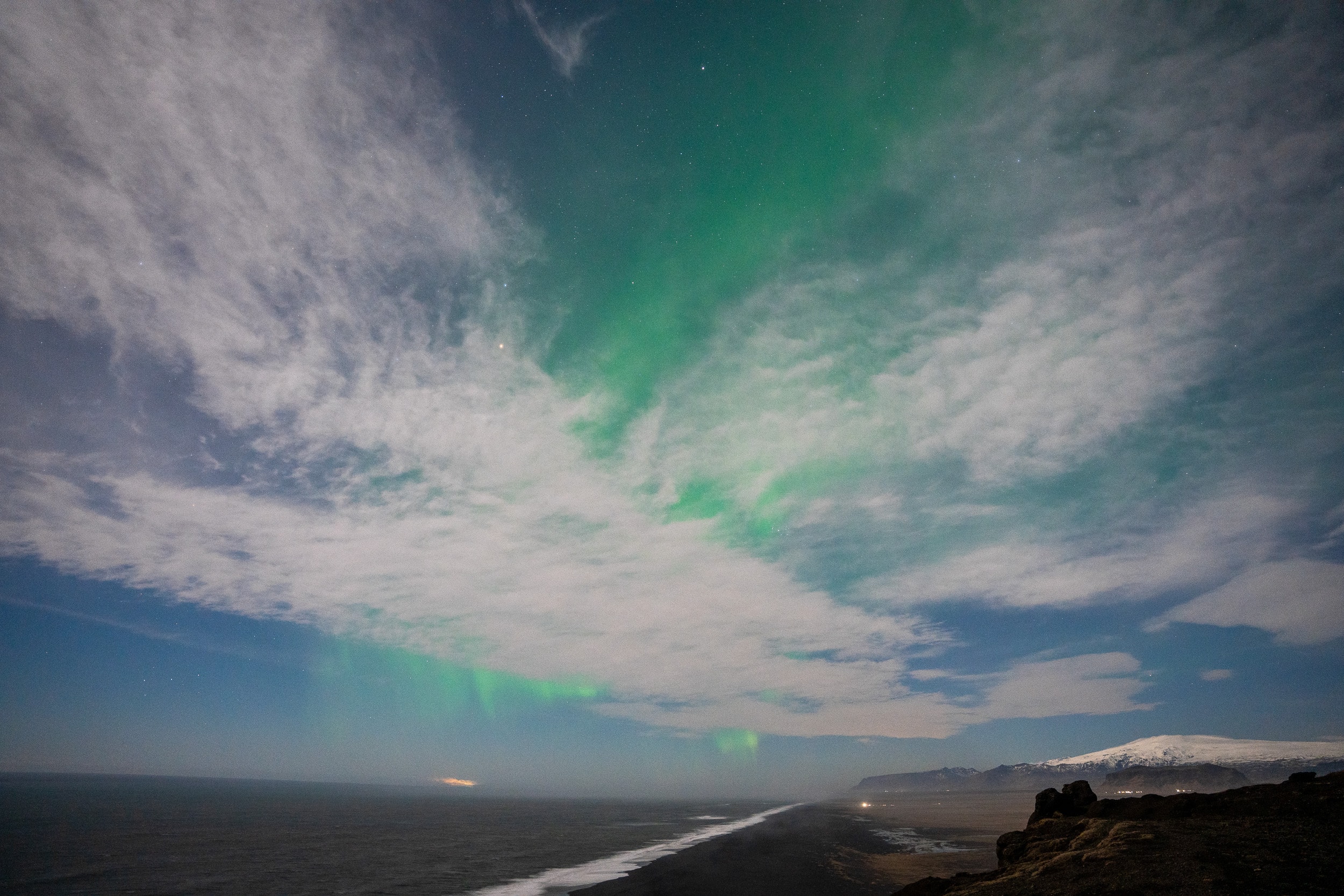
Right when we were about to give up and head back, I set up my camera on a tripod and started a long exposure. At that point I was mostly bored and thought: if no aurora appears, at least I'll get a decent night landscape.
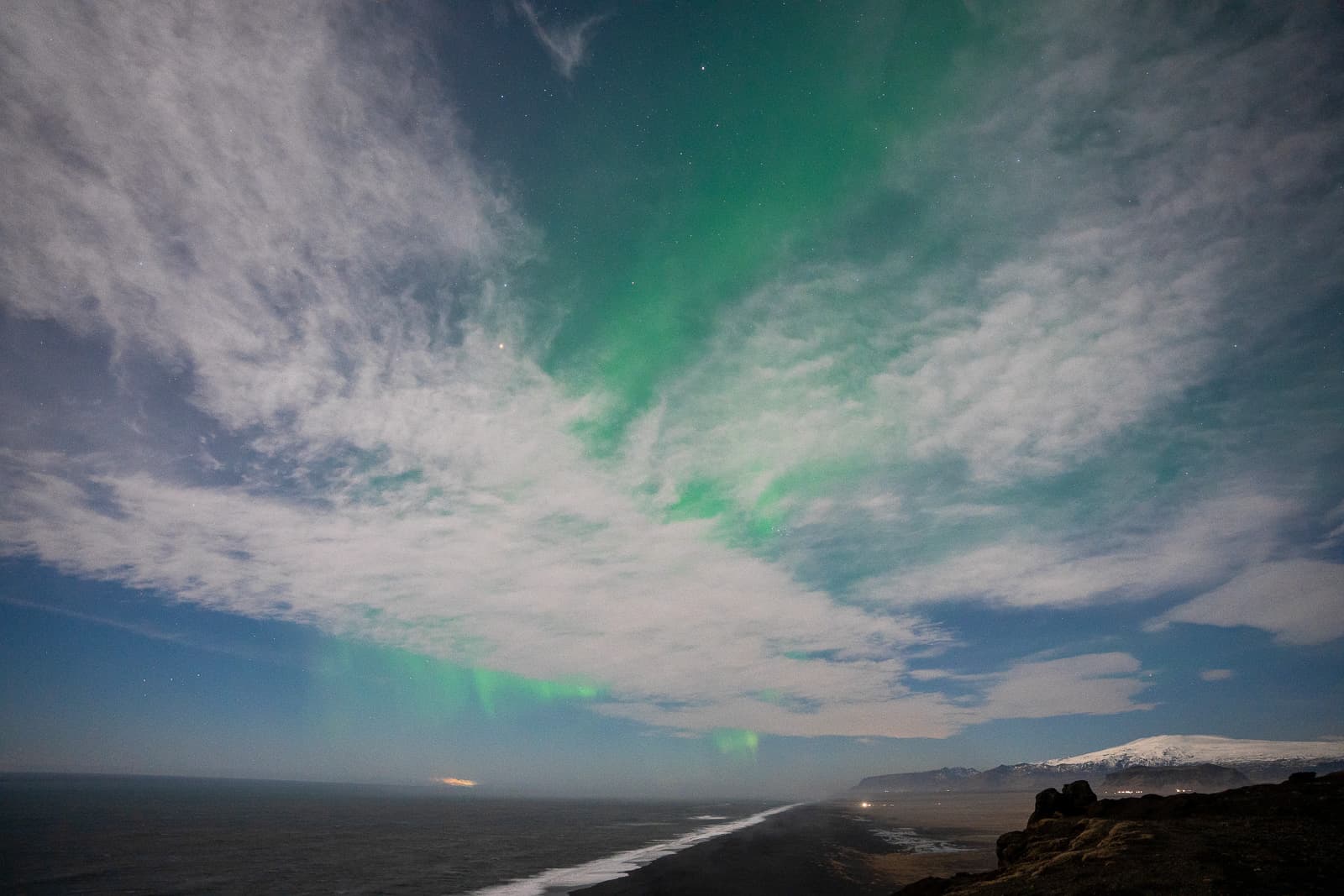
Then the frame loaded on the LCD, and I froze. The whole sky was green. Not dramatic to the naked eye, but unmistakable on the photo.
That night the aurora was real, just very weak. Almost invisible without aid, but clearly detectable by the sensor, which is much more sensitive to low light than human vision. The camera saw what we couldn't fully see.
When we looked carefully, we could notice a faint brightening in the sky, but it looked whitish rather than green.
I only learned the biological reason a few weeks later: in very low light, vision is dominated by rods, which are great at detecting contrast and motion but poor at color. Cones, responsible for color perception, need more light, so weak aurora often appears gray-white to the eye even when the camera records green tones.
I ran back to wake the rest of the crew, who were waiting in the car and starting to fall asleep. We checked the frames together and the mood changed instantly. Pure joy.
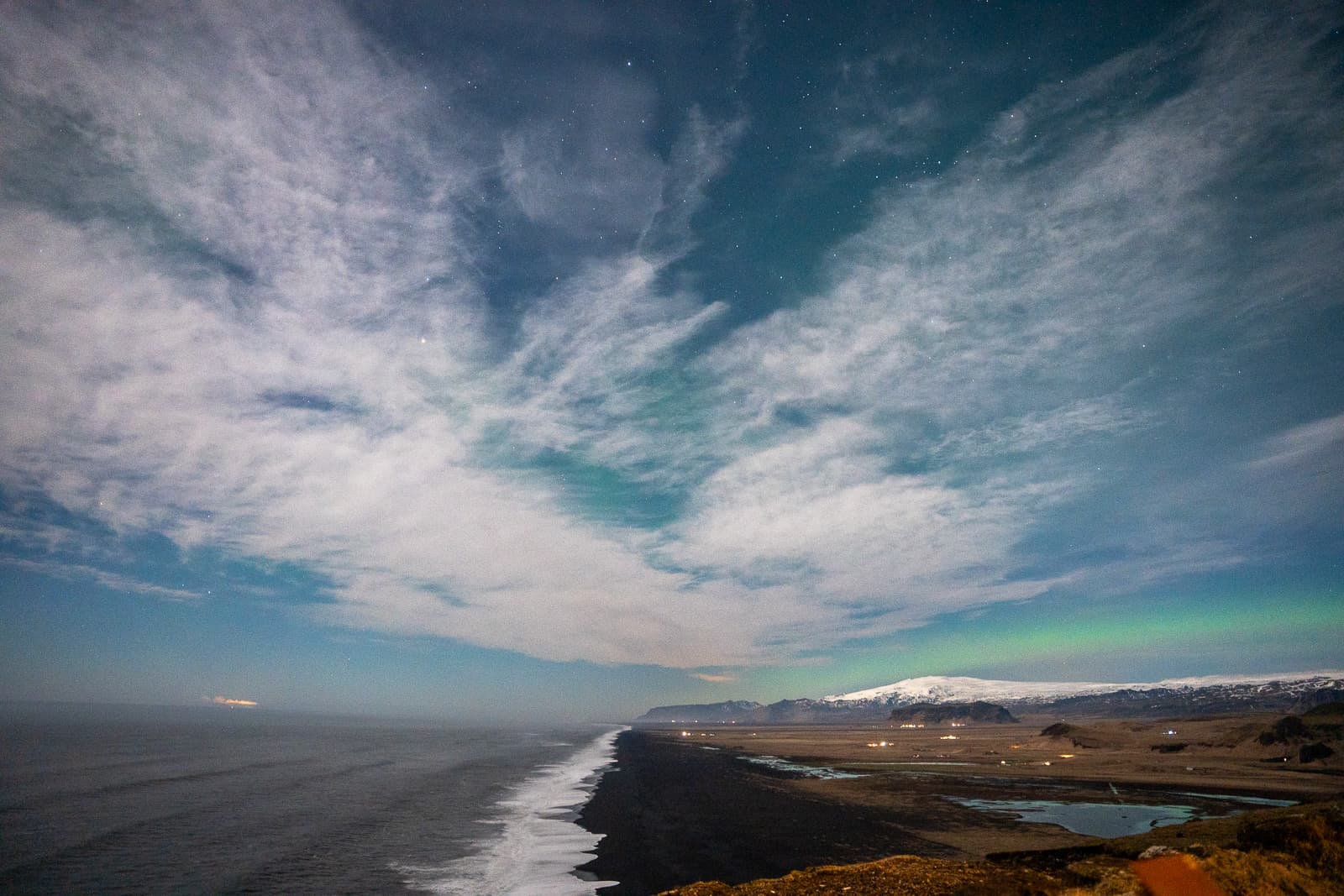
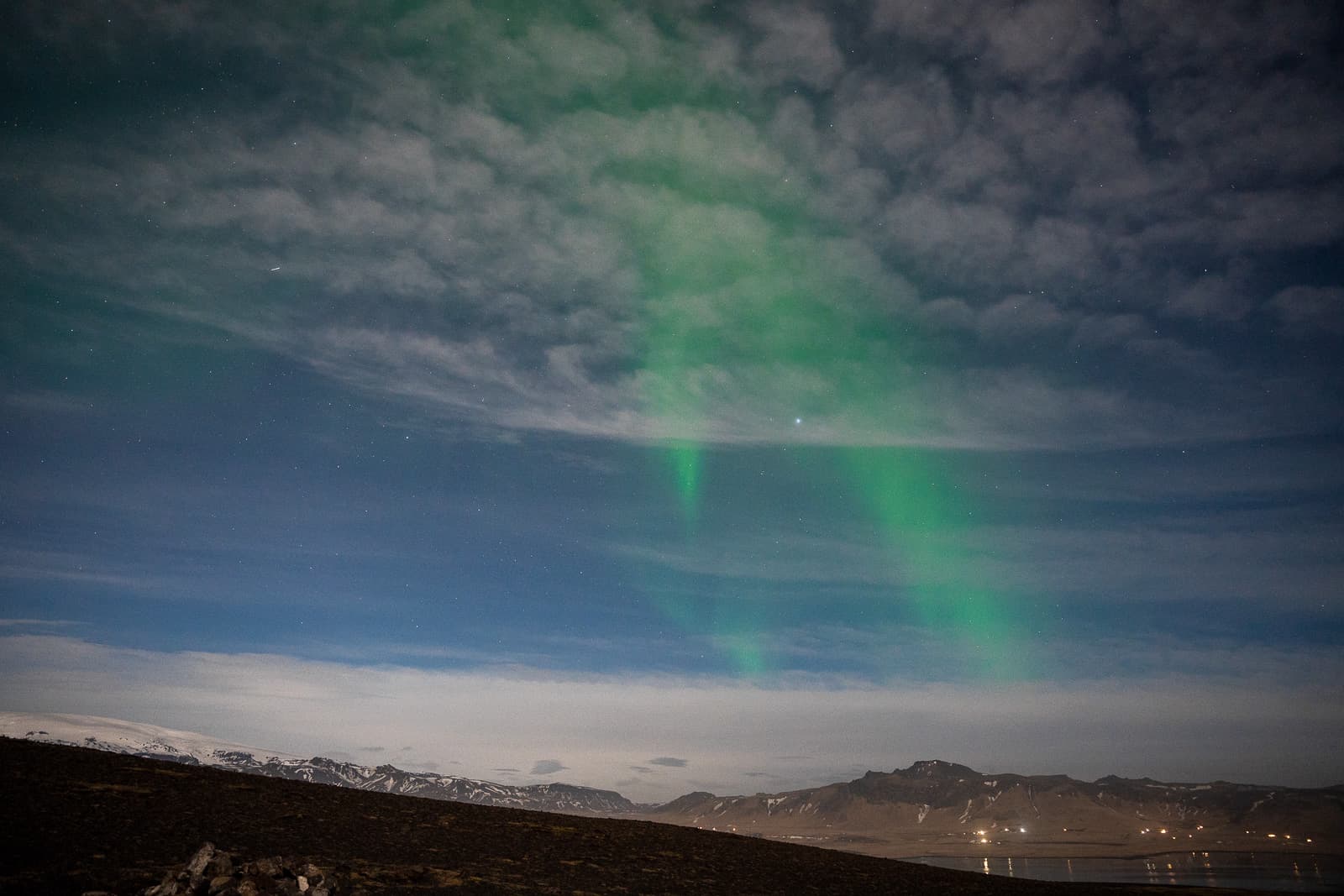
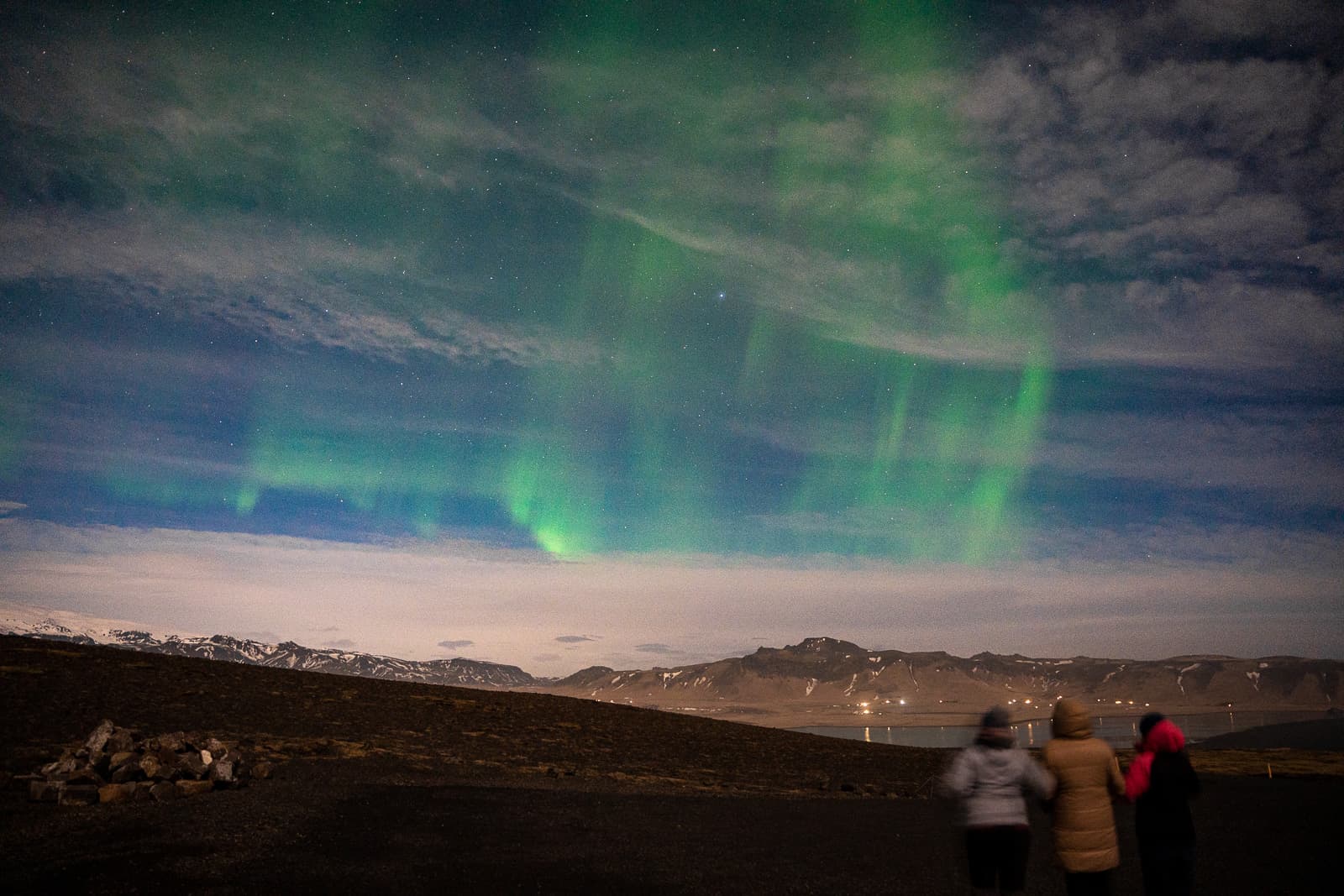
Since that night, every time I get an aurora alert and the sky looks empty, I scan it with a camera first, even a phone. Often a small sensor is enough to reveal colors that your eyes still miss.
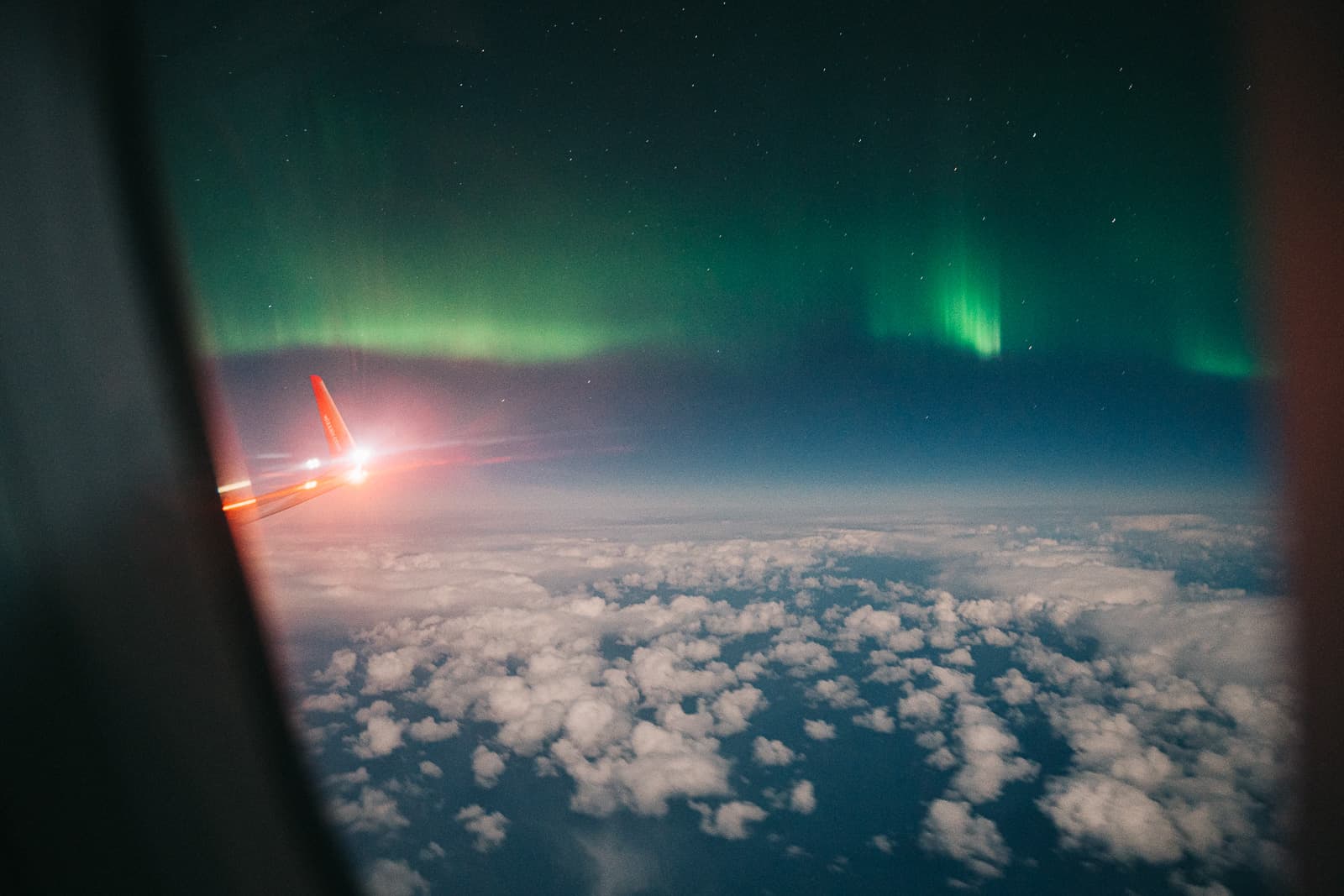
Plot twist: the best aurora of the whole trip showed up later, from the airplane window on the way home.