There's a moment in the editing process when I remove an element from the frame - a distracting branch, a harsh highlight, an unnecessary foreground rock - and the image suddenly clicks. That moment of reduction, when less becomes unmistakably more, is at the heart of my approach to landscape photography.
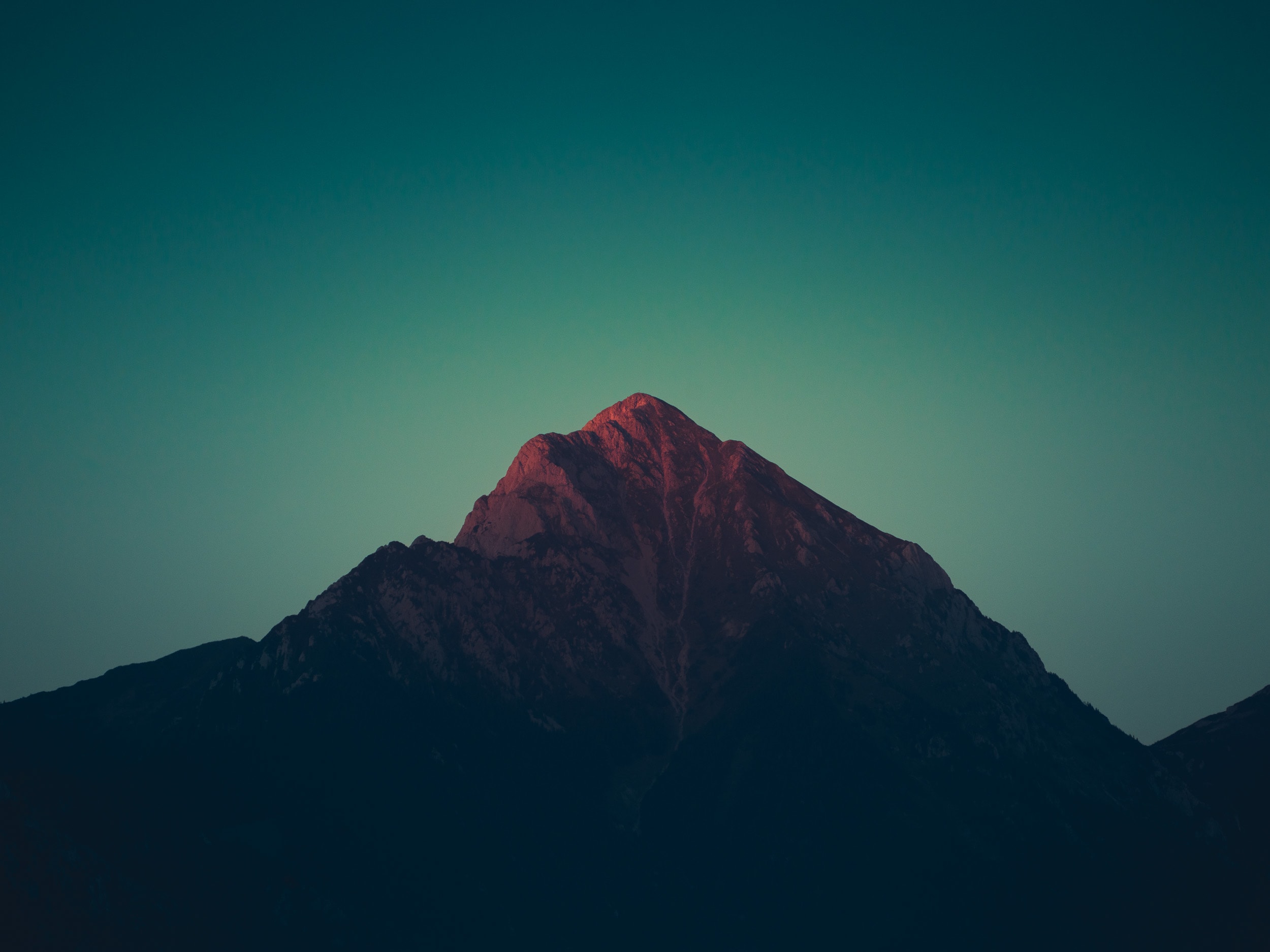
Minimalism in landscape photography isn't about finding empty spaces to photograph. It's about seeing the essential structure of a scene and eliminating everything that doesn't serve it. A lone tree doesn't need a detailed foreground. A mountain peak emerging from mist doesn't need a colorful sky.
My Solitude series was born from this philosophy. Each image features a single subject - a lone tree, an empty road, a solitary peak - set against the simplest possible background. The goal is to create images where the eye has nowhere to go except to the subject, where the emptiness around the subject becomes as important as the subject itself.
Practically, this means I often photograph in conditions that other photographers avoid: thick fog, overcast skies, heavy snow. These conditions naturally simplify the landscape by removing distant details, flattening color, and creating negative space. Fog is the minimalist photographer's best friend - it's nature's eraser.
The technical challenge of minimalist landscape photography is tonal control. When your image is 80% white sky or snow, you need precise exposure and careful processing to maintain subtle tonal gradations. A histogram that looks 'wrong' by conventional standards - heavily weighted to the right - is often exactly right for this work.
I believe the power of minimalist images lies in what the viewer brings to them. An image with a single tree in fog isn't just about the tree - it becomes a mirror for the viewer's own feelings about solitude, resilience, or simplicity. The less you show, the more room you leave for interpretation.